
Collection: Bandhani Cotton Dupattas

For the days when you’re feeling less stellar, may we suggest a dose of megawatt style and a palette from subtle to vibrant colours?
Our latest edit of pick-me-up Bandhani dupattas are the perfect way to turn those frowns upside down!
An ode to India’s magnificent textile heritage, these are the perfect companions for the sultry summer days.
Pair with your favourite outfit to recreate a new look, and you’re set to win hearts,
and rake in the compliments wherever you go!
-
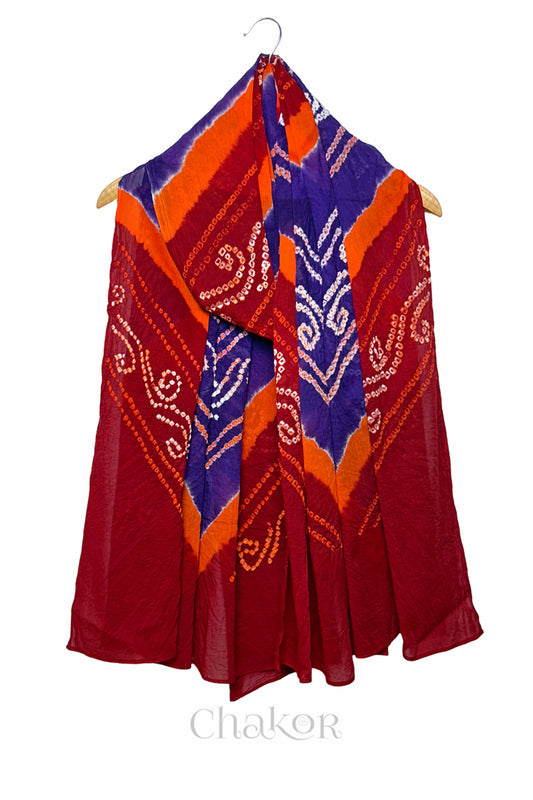
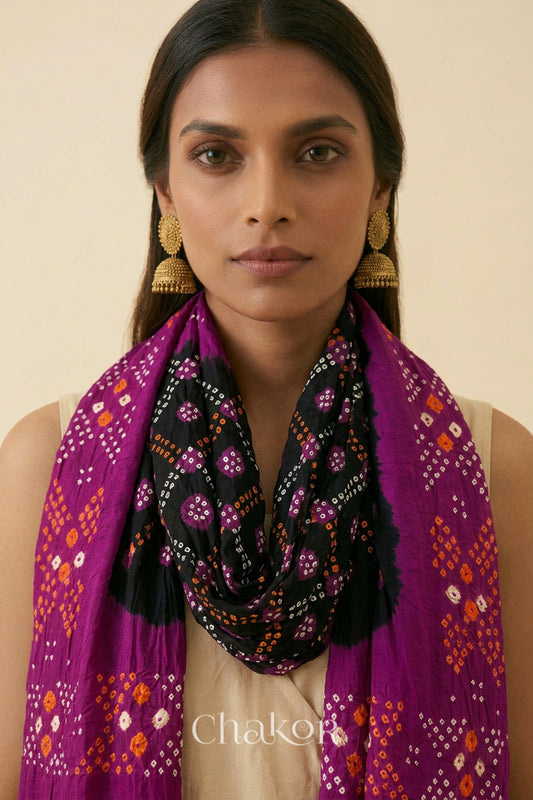
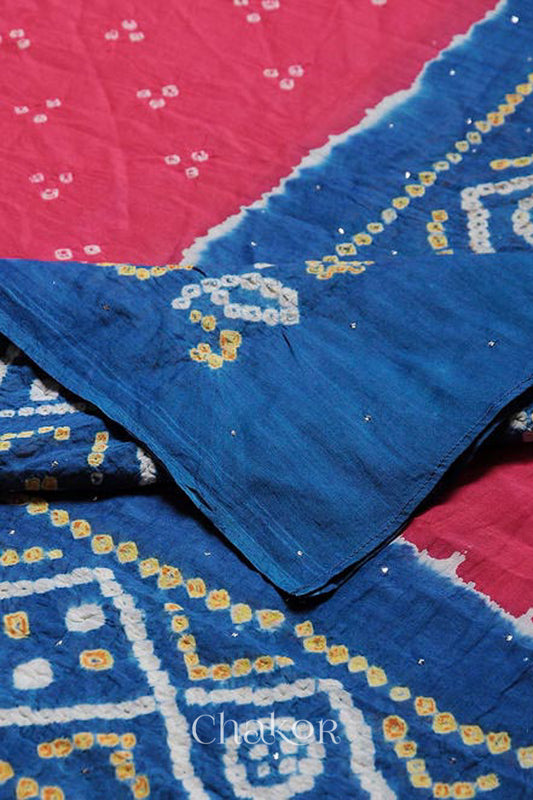
Red Purple Bandhani Mul Cotton Dupatta
Regular price Rs. 1,850.00Regular priceUnit price perRs. 1,850.00Sale price Rs. 1,850.00 -
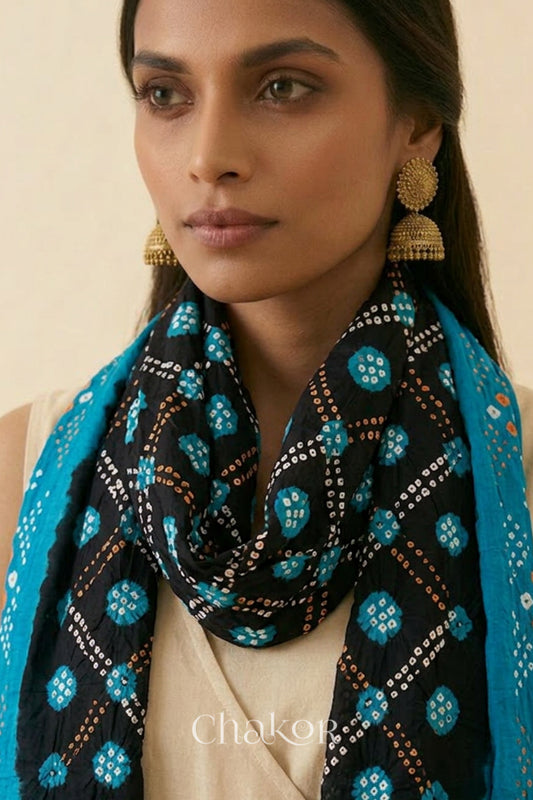
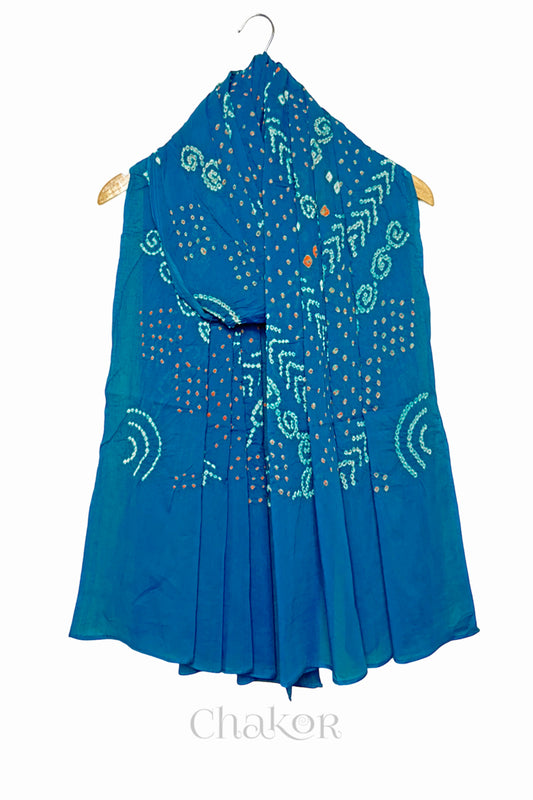
Black Turquoise Bandhani Mul Cotton Dupatta | Kutch Tie-Dye
Regular price Rs. 1,950.00Regular priceUnit price perRs. 1,950.00Sale price Rs. 1,950.00 -
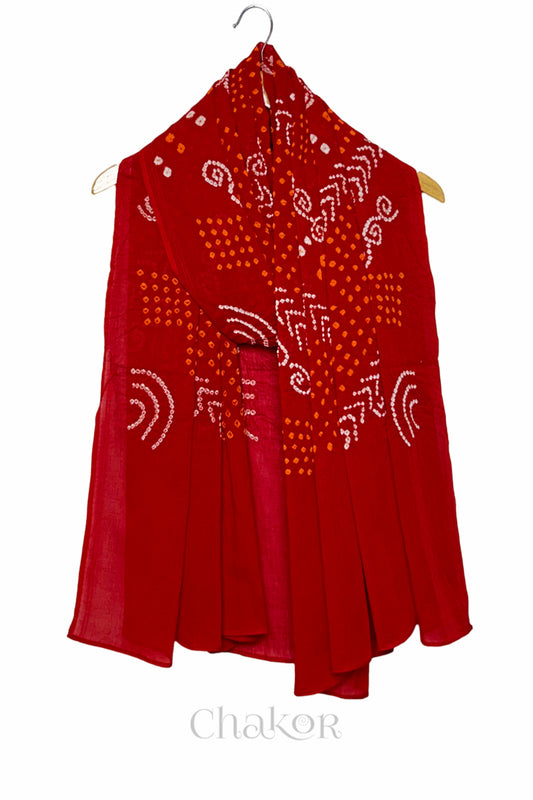
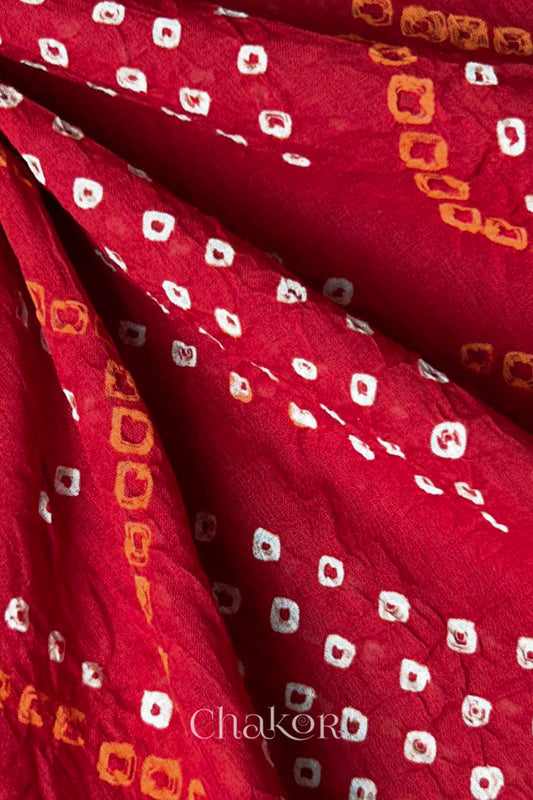
Tomato Red Bandhani Mul Cotton Dupatta | Handmade Bandhej from Kutch
Regular price Rs. 1,950.00Regular priceUnit price perRs. 1,950.00Sale price Rs. 1,950.00 -
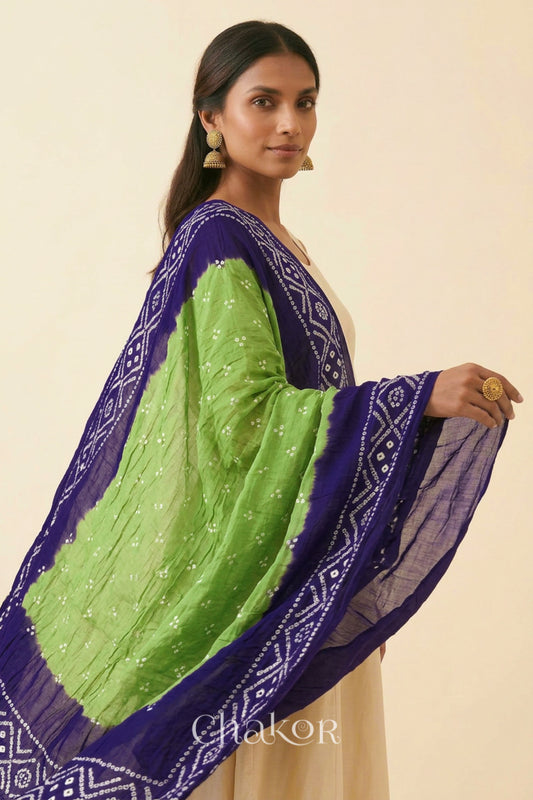
Mehendi Green Purple Bandhani Mul Cotton Dupatta | Kutch Tie-Dye
Regular price Rs. 1,950.00Regular priceUnit price perRs. 1,950.00Sale price Rs. 1,950.00 -
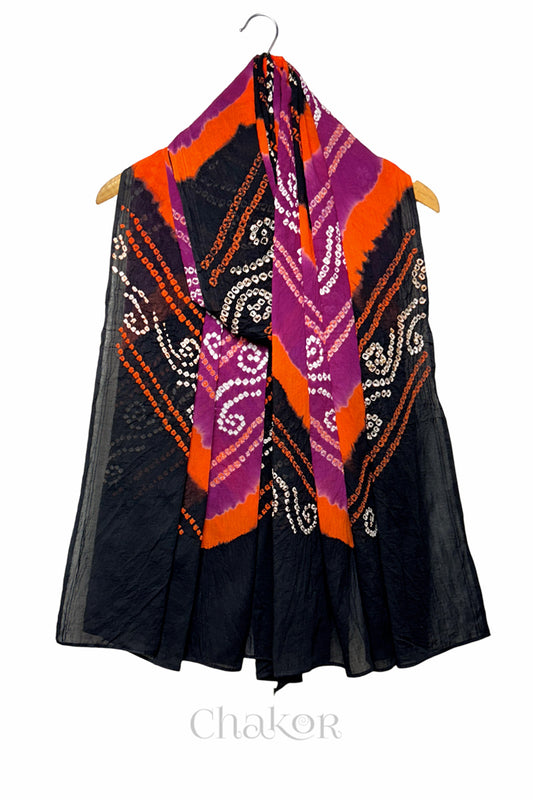
Black Magenta Bandhani Mul Cotton Dupatta | Kutch Tie-Dye
Regular price Rs. 1,950.00Regular priceUnit price perRs. 1,950.00Sale price Rs. 1,950.00 -
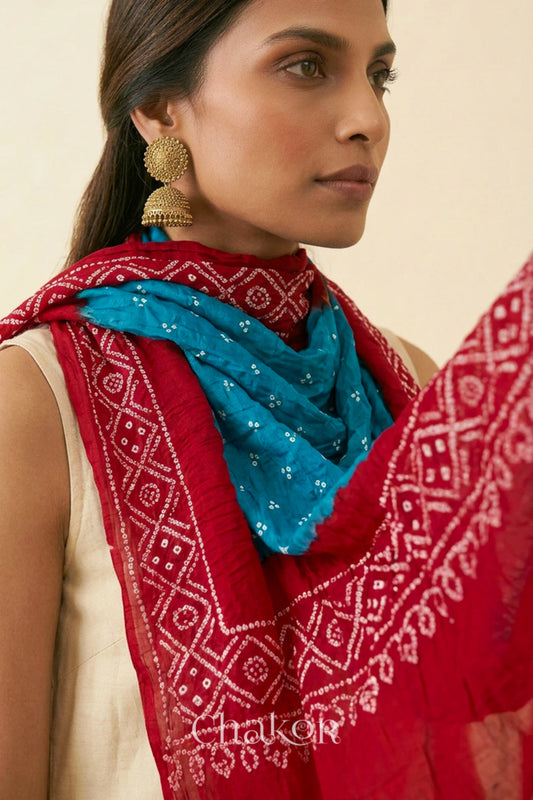
Turquoise Red Bandhani Mul Cotton Dupatta | Kutch Tie-Dye
Regular price Rs. 1,950.00Regular priceUnit price perRs. 1,950.00Sale price Rs. 1,950.00 -
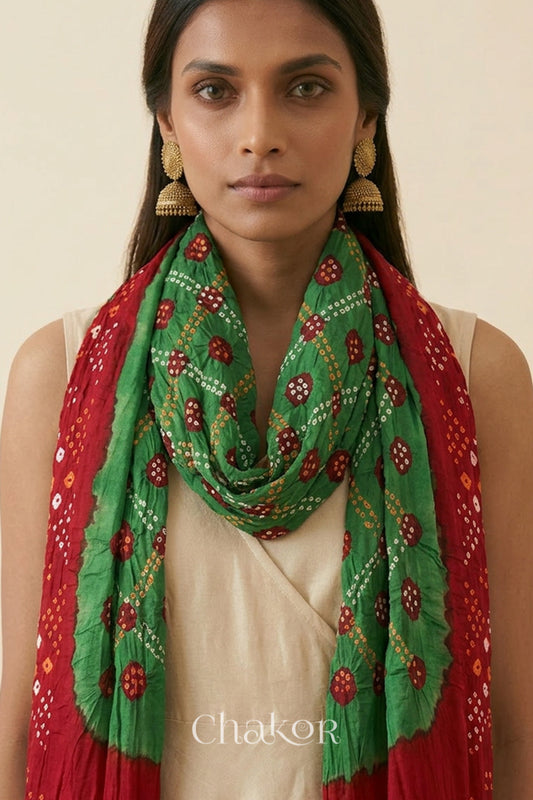
Mehendi Green Red Bandhani Mul Cotton Dupatta | Kutch Tie-Dye
Regular price Rs. 1,950.00Regular priceUnit price perRs. 1,950.00Sale price Rs. 1,950.00 -
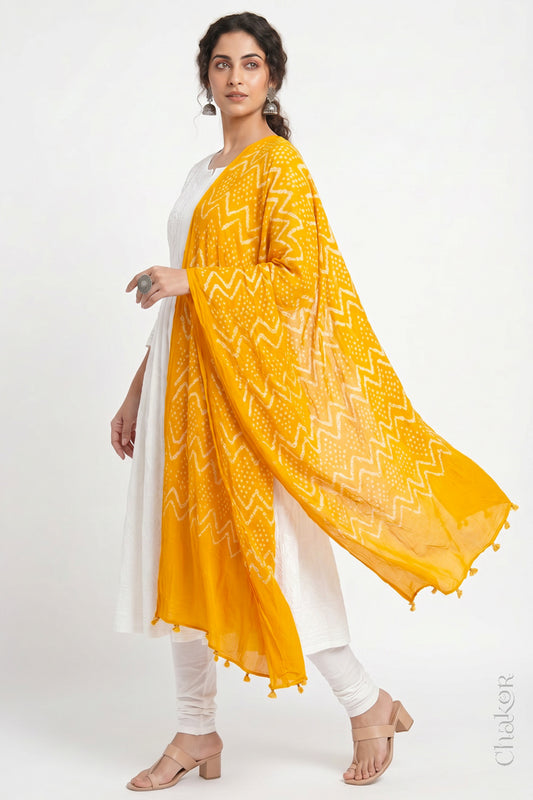
Yellow Bandhani Mul Cotton Dupatta | Kutch Tie-Dye
Regular price Rs. 1,950.00Regular priceUnit price perRs. 1,950.00Sale price Rs. 1,950.00 -
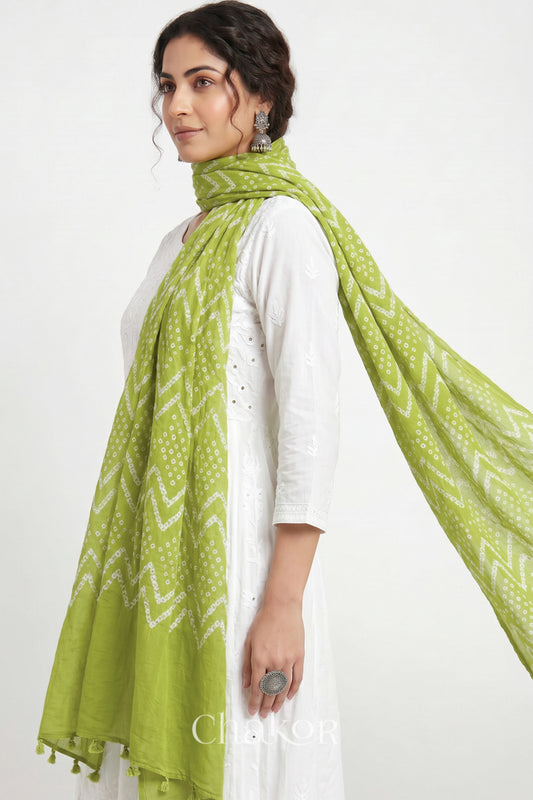
Lime Green Bandhani Mul Cotton Dupatta | Kutch Tie-Dye
Regular price Rs. 1,950.00Regular priceUnit price perRs. 1,950.00Sale price Rs. 1,950.00 -
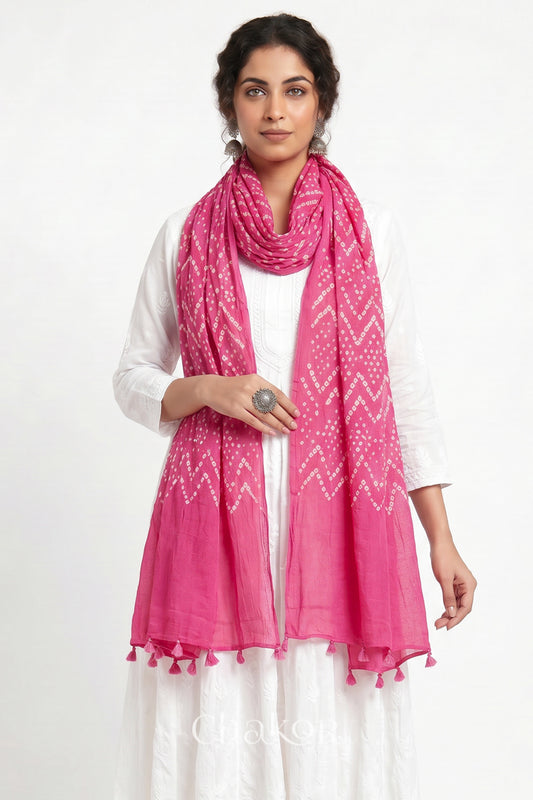
Pink Bandhani Mul Cotton Dupatta | Kutch Tie-Dye
Regular price Rs. 1,950.00Regular priceUnit price perRs. 1,950.00Sale price Rs. 1,950.00Sold out -
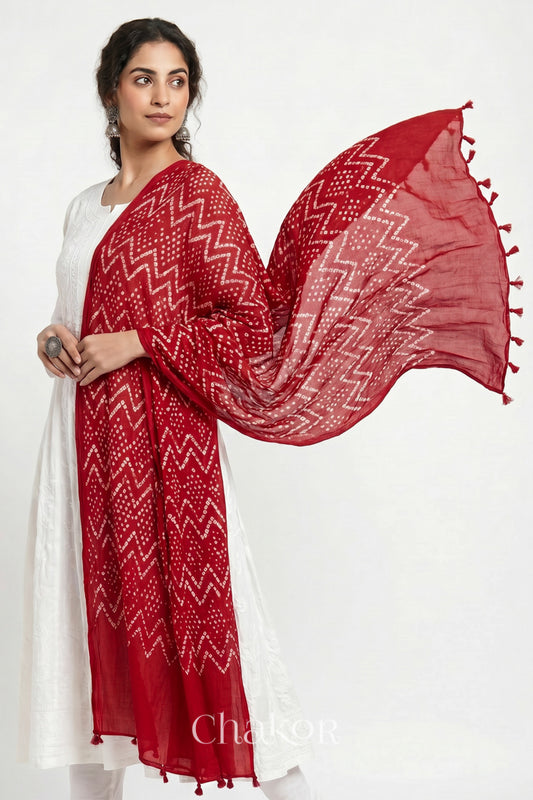
Red Bandhani Mul Cotton Dupatta | Kutch Tie-Dye
Regular price Rs. 1,950.00Regular priceUnit price perRs. 1,950.00Sale price Rs. 1,950.00Sold out -
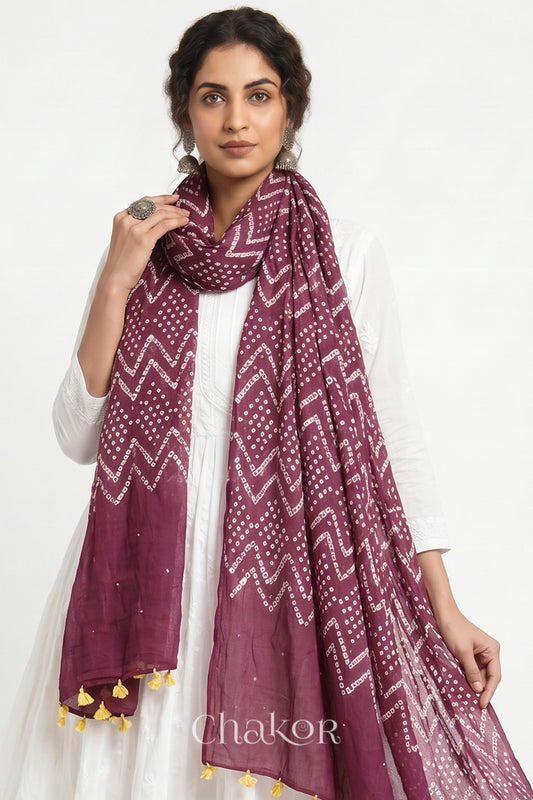
Plum Pink Bandhani Mul Cotton Mukaish Embroidered Dupatta | Kutch Tie-Dye
Regular price Rs. 2,350.00Regular priceUnit price perRs. 2,350.00Sale price Rs. 2,350.00Sold out -
Black Magenta Bandhani Mul Cotton Dupatta
Regular price Rs. 1,850.00Regular priceUnit price perRs. 1,850.00Sale price Rs. 1,850.00 -
Tomato Red Bandhani Mul Cotton Dupatta | Handmade Bandhej from Kutch
Regular price Rs. 1,850.00Regular priceUnit price perRs. 1,850.00Sale price Rs. 1,850.00 -
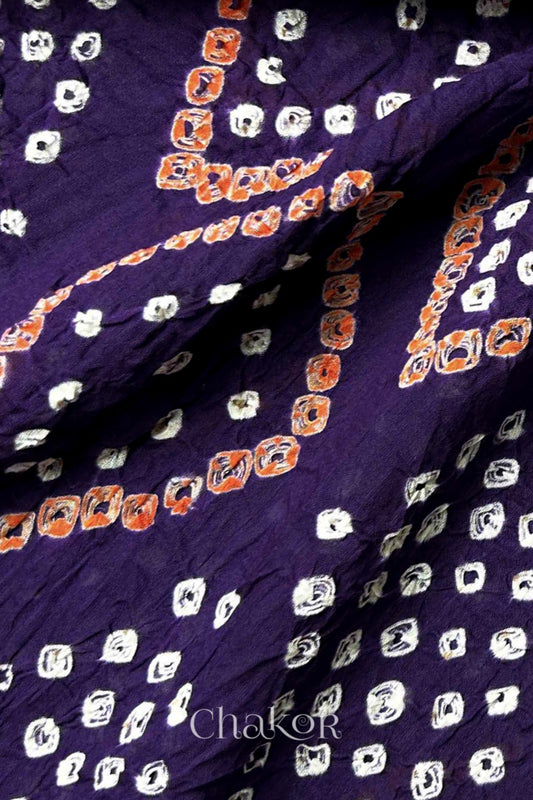
Purple Bandhani Mul Cotton Dupatta | Handmade Bandhej from Kutch
Regular price Rs. 1,850.00Regular priceUnit price perRs. 1,850.00Sale price Rs. 1,850.00 -
Turquoise Bandhani Mul Cotton Dupatta
Regular price Rs. 1,850.00Regular priceUnit price perRs. 1,850.00Sale price Rs. 1,850.00 -
Strawberry Indigo Bandhani Mul Cotton Dupatta
Regular price Rs. 1,950.00Regular priceUnit price perRs. 1,950.00Sale price Rs. 1,950.00 -
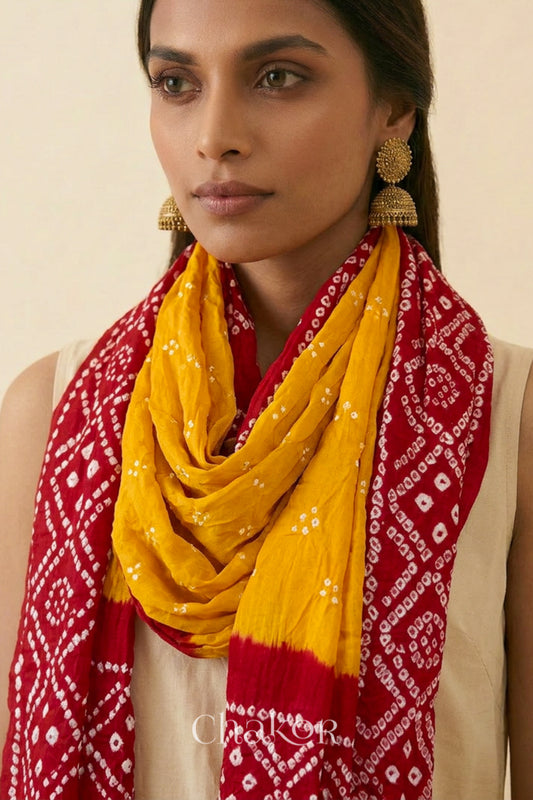
Yellow Red Bandhani Mul Cotton Dupatta | Kutch Tie-Dye
Regular price Rs. 1,950.00Regular priceUnit price perRs. 1,950.00Sale price Rs. 1,950.00 -
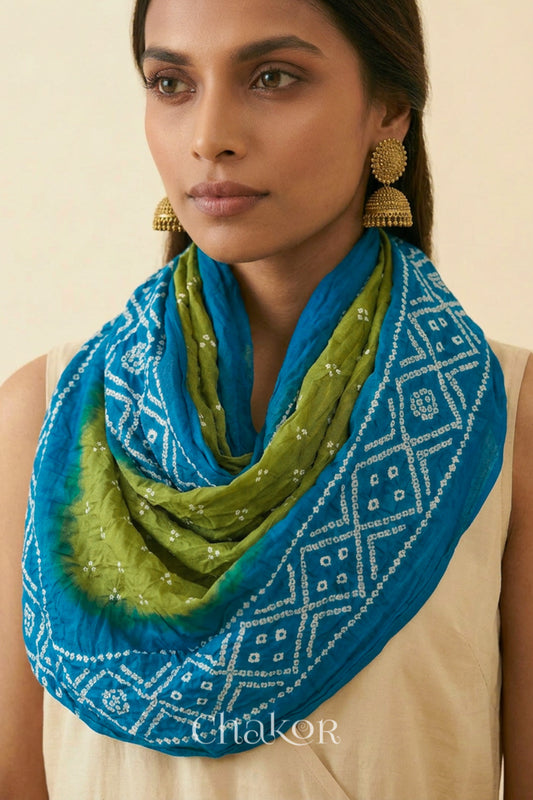
Lime Green Turquoise Bandhani Mul Cotton Dupatta | Kutch Tie-Dye
Regular price Rs. 1,950.00Regular priceUnit price perRs. 1,950.00Sale price Rs. 1,950.00 -
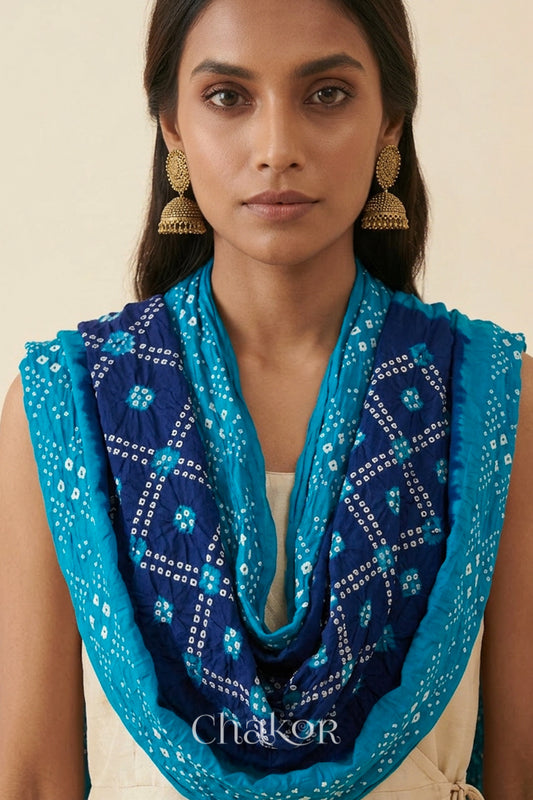
Navy Turquoise Bandhani Mul Cotton Dupatta | Kutch Tie-Dye
Regular price Rs. 1,950.00Regular priceUnit price perRs. 1,950.00Sale price Rs. 1,950.00




















-
 Bandhani - Tie & Dye
-
 Age Old Indian Crafts
-
 Exclusive Collections
-
 Handmade Locally
-
 Artisanal Craftsmanship
-
 Sustainable Slow Fashion


The Story of Dots - Bandhani | Bandhej

Bandhani Craft of Kutch: History, Technique, and Living Tradition
Bandhani stands unrivaled as the most esteemed and cherished form in the realm of fabrics. Its age-old mastery in tie-dye techniques elevates it to a revered status, showcasing the pinnacle of skill and tradition in the rich tapestry of Indian textiles. This traditional art form, also known as Bandhej, involves tying small portions of fabric with threads to create intricate patterns before dyeing. Originating in the western regions of India, particularly Gujarat and Rajasthan, Bandhani, is an enduring textile luminary, stands as the pinnacle for cultural glam and festive flair, transcending time with timeless allure.
Today, Bandhani continues to thrive across India, especially in the form of sarees, dupattas, fabrics, dress materials, and handcrafted silks - each piece reflecting centuries of artistry and cultural identity.
Historical Roots
Sanskrit verbal root बांध – bandh meaning "to bind, to tie" is where the term bandhani is derived from. The roots of this traditional hand-craft can be traced back over 5,000 years, making it one of the oldest textile traditions in India. The historical references and artifacts suggest its prevalence in ancient civilizations such as the Indus Valley.
Over the centuries, Bandhani has evolved into a refined art form, passed down through generations of skilled artisans who have preserved its essence and technique. The practice became more widespread, with the earliest known examples dating back to the 18th century when it was used by women in Rajasthan, particularly those belonging to royal families or courtesans. Subsequently, Bandhani gained popularity among the common people, especially after its adoption by Hinduism as an auspicious symbol during weddings and festive occasions like Navratri, where it symbolizes prosperity and happiness.
These historic references have shaped Bandhani into the textile heritage we know today, influencing iconic forms like Bandhani sarees, Bandhani dupattas, and traditional Bandhej fabrics worn across generations.
Craftsmanship & Technique
The earliest forms of tie-dye were practiced in India as far back as 500 BC, evolving into the Bandhani craft we know today - characterised by thousands of hand-tied knots that form intricate patterns in sarees, dupattas, and fabrics. It's also believed that this art form was taught by Krishna himself!
At the core of Bandhani is meticulous craftsmanship, often performed in family workshops or clusters. Artisans intricately tie fabric portions with precision in a process called 'bandhna'. Also popularly known as bandhini, Chunri, Chungdi. Accomplished by skilled women who use their fingernails, this technique demands precision. After tying, the fabric undergoes dyeing, unveiling vibrant patterns when the threads are removed. Craftsmanship's quality is determined by intricacy; finer details signify superior artistry. In Bandhani, true craftsmanship shines through the meticulous process, celebrating its essence.
Today, people continue to use the technique but for different reasons: sometimes they want their clothes or home decor items to stand out; other times they want them for their beauty alone--and sometimes both!
Traditional Bandhani Designs
Bandhani comes in various styles, each with its distinctive patterns. Motifs reflect a rich language drawn from simple elements of homes, surroundings, nature, and regional influences. Each motif tells a story, creating a visual narrative within the fabric. A few types of bandhani are :
- Leheriya Bandhani : Originating from Rajasthan, Leheriya Bandhani is characterised by diagonal stripes resembling waves. The name 'Leheriya' is derived from the Hindi word for waves, and the technique involves tying the fabric at intervals to create the fluid, undulating pattern.
- Shikari Bandhani or Memna Bandhani : Known for its intricate patterns resembling a hunter's net, Shikari Bandhani is a traditional style that requires exceptional precision. The spiral-like design adds a touch of sophistication and complexity to the fabric.
- Gharchola : a Bandhani design, traditionally a wedding saree for the bride, symbolises marital bliss and prosperity. This intricate pattern features diverse motifs arranged in a checkered layout, woven in zari on fine silk or cotton.
- Ekdali Bandhani : Ekdali / Ekdani, meaning surface created using single dot, is a Bandhani style where single dots are created at regular intervals. This simple yet elegant pattern is popular for its versatility and can be found in sarees, dupattas, and other traditional garments.
-
Jangla or Zangla : The name refers to a trellis or lattice. This design features a ornate grid or lattice pattern, representing order and structure.
These motifs appear across CHAKOR’s Bandhani sarees, Bandhani dupattas, Bandhani blouses, and Bandhani fabrics, each crafted to celebrate India’s textile legacy.
Cultural Significance
Bandhani has deep cultural significance, especially in the context of traditional Indian attire. It is an integral part of festive wear, bridal trousseaus, and celebratory ensembles. Bandhani sarees are a popular choice for weddings and religious ceremonies, symbolizing joy, prosperity, and the vibrancy of Indian culture.
Because of this deep symbolism, Bandhani remains a preferred choice for festive sarees, bridal dupattas, and handcrafted textiles across India.
Regional Influence
The makers of Kutchi Bandhani are skilled artisans from the Kutch region in Gujarat, India. These artisans, often belonging to communities like Muslim Khatri and Meghwal, acquire their skills through familial or community-based training. They use traditional tools and techniques, collaborating within their communities to preserve the authenticity of Kutchi Bandhani. This craft not only serves as an art form but also plays a vital role in the livelihood of these communities, contributing to the cultural richness of the region. Preservation efforts and regional specialization add depth to the continuation of this traditional tie-dye craft.
Kutchi Bandhani today is especially prized for its detail, making it a favourite for premium sarees, dupattas, and artisanal fabrics.
 CHAKOR’s Mesmerising Bandhani - Sarees, Dupattas & Fabrics
CHAKOR proudly embraces Bandhani's rich heritage, offering an exquisite collection that epitomise the timeless beauty of this traditional craft. Meticulously crafted with precision, each Bandhani saree is a work of art, a testament to India's cultural richness. Each piece is handcrafted by skilled artisans who have been learning this craft from their forefathers, blending cultural narrative with modern elegance.
Bandhani, with its profound history and intricate tie-dye technique, captivates those who appreciate the artistry of Indian textiles. CHAKOR's dedication to showcasing Bandhani's beauty reflects a harmonious blend of tradition, inviting you to explore the timeless elegance and cultural narrative woven into each saree.
Whether you choose the grandeur of Gharchola, the intricate spirals of Shikari Bandhani, or the simplicity of Ekdali, our collections honour the beauty of traditional Bandhej while celebrating craftsmanship passed down through generations.
Explore pure mulberry silks, gaji silks, crepes, Banarasi georgettes, pure cottons, mul cottons, cambrics and Mangalgiri Cottons featuring vibrant colors and delicate embroideries that enhance Bandhani motifs - each fabric offering its own luxurious drape and artisanal depth making them a delightful choice for refined and comfortable attire...
For a more reflective, cultural perspective on Bandhani, read Dot by Dot
Explore CHAKOR’s handcrafted Bandhani collections:

Experience the magic of Bandhani, a craft that has withstood the test of time, woven into the very fabric of Indian Classic fashion.
_______________
Craft FAQs - Understanding Bandhani
Q: What makes Bandhani different from other tie-dye crafts?
A: Bandhani is created by tying thousands of tiny knots by hand. Each knot resists the dye to reveal delicate dots, waves, lattices, and traditional motifs - giving Bandhej its unmistakable character and depth.
Q: Are two Bandhani pieces ever identical?
A: No. Because every knot is hand-tied, each Bandhani piece, even when made from the same design or in two colourways, will differ in its fine details. These subtle variations reflect the hand-tying style of the woman artisan who created it and are a mark of its authenticity.
Q: Why is Kutch known for Bandhani craftsmanship?
A: Kutch is home to artisan communities—especially the Muslim Khatri families—who have preserved Bandhani tying and dyeing techniques for generations. Their mastery is recognised for its exceptionally fine knotting, clarity of motifs, and superior colour fastness, making Kutchi Bandhej one of the most respected forms of this craft. CHAKOR works closely with these artisan clusters to support and celebrate their timeless expertise.
Q: Which fabrics showcase Bandhani best?
A: Silken fabrics such as mulberry or gaji, exuding finesse and luminance, enhance the delicate allure of Bandhani, resulting in very precise dots. In contrast, cotton, with its denser texture, imparts slightly larger dots and a more tactile sensation. Each fabric unveils the artistry in its own style.
Q: Do Bandhani dots and motifs have meaning?
A: Yes. Many motifs draw inspiration from nature, daily life, and regional traditions. Over time, patterns such as Leheriya, Ekdani, Gharchola, Chandrokhani, Aambadaal and Shikari have become symbols of celebration, prosperity, and cultural identity.
Q: Should Bandhani be ironed or roll-pressed?
A: Bandhani can be finished with care. For sarees, after knots are removed, are best roll-pressed to flatten and restore full length and fall, while the pallu may be left unironed to retain its natural character and texture. Dupattas are usually not ironed flat, as their gentle, crushed texture is part of their charm. Avoid direct heat on all Bandhani pieces to preserve the artistry of the tie-dye.
